Published May 2, 2019 in Warp & Woof
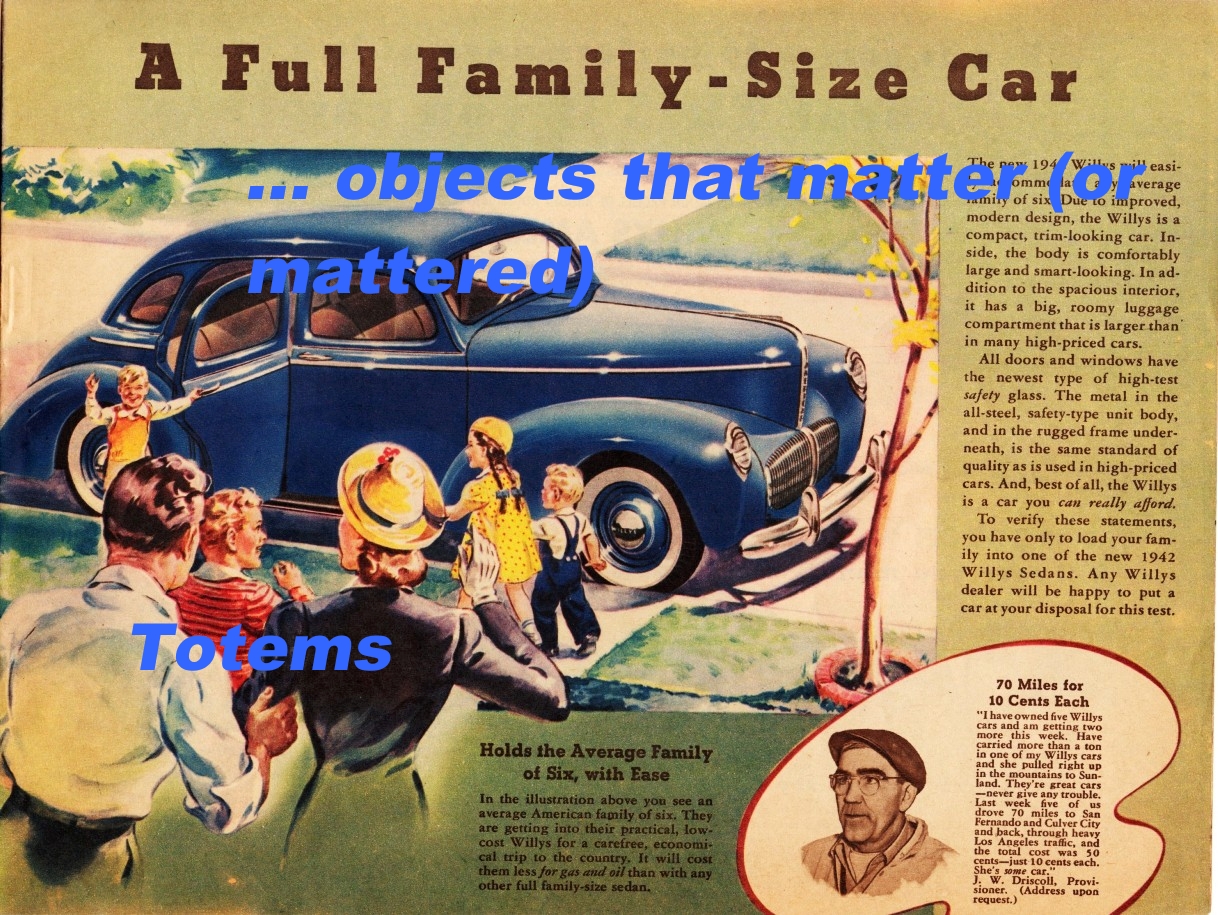
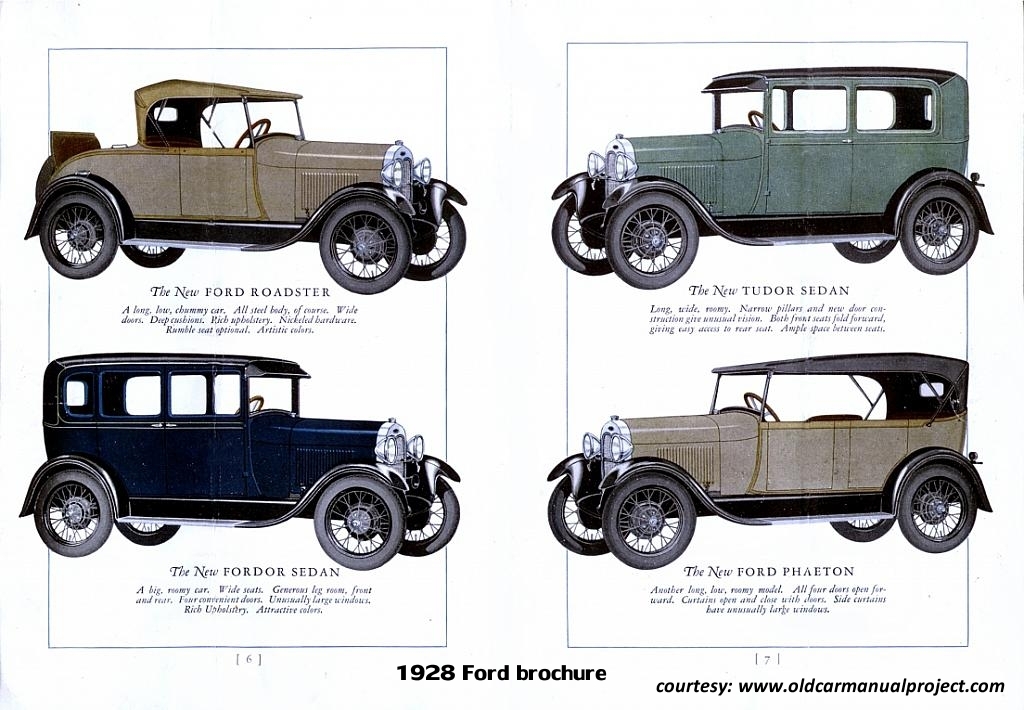
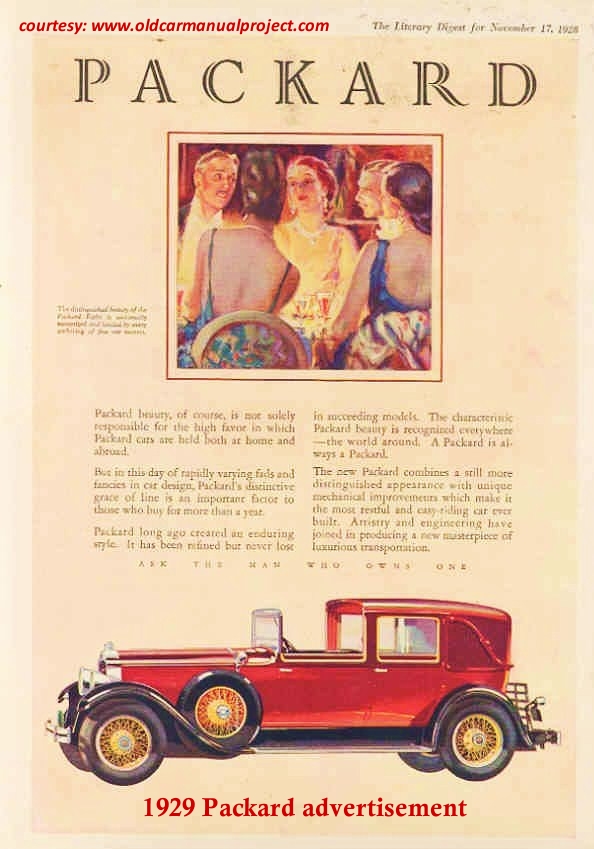
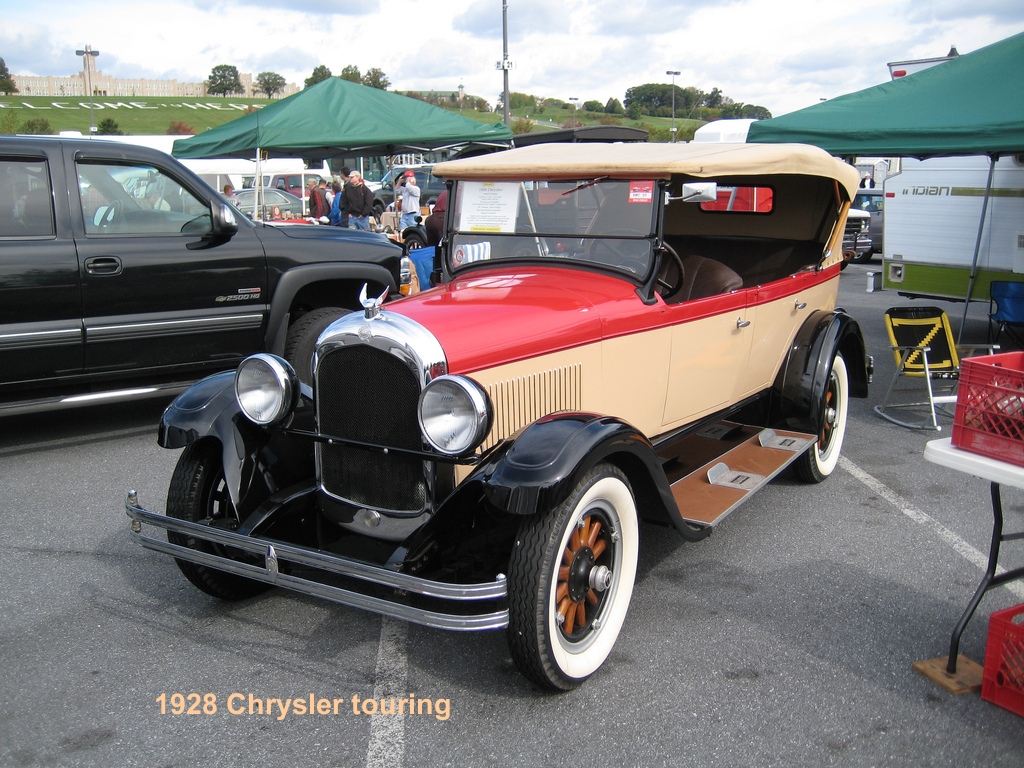 The Model T Ford then created a “mass market” for automobiles in the United States. But roughly by the end of the First World War, closed bodies became more commonplace – even for the Model T. Ford had competitors by this time, many makes were marketed to less than upper-class buyers. And, as the maturing auto industry moved through the 1920s, there seemed to be a stock selection of body styles. There were coupes (with or without jump seats in the rear), sedans (two or four doors, but with full back seat), town cars and limousines for the chauffeur-driven elite (passenger
 compartments separated from driver by full glass partition), and roadsters (no back seat, except possible “rumble seat”) or phaetons for the “open air” crowd (old style “touring” bodies with four doors and spacious rear seat).
Studebaker and Packard all laid claim to significant portions of the market in the ‘20s and ‘30s. (Ford, the originator of the market, was overtaken in market share by both GM and Chrysler by the time World War II began).
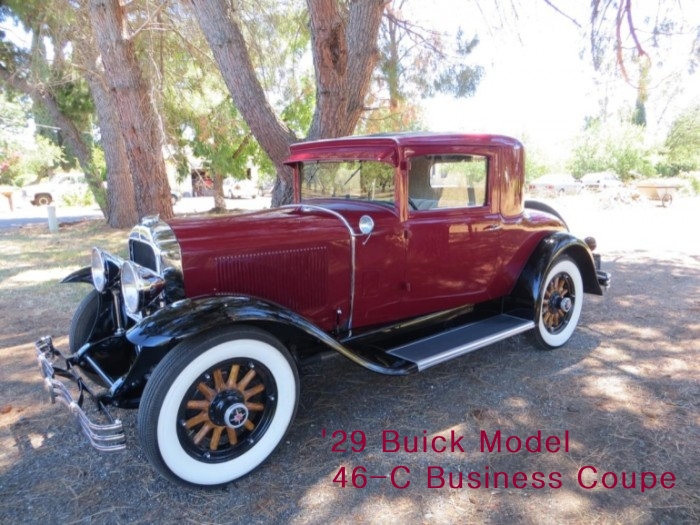 Closed bodies (coupes and sedans) dominated the market from the onset of the Great Depression in 1930. Comfort and quiet, along with new features like radios, heaters, and window cranks made the passenger cabin a much more parlor-like experience, even in the popular-price segment where Chevrolet and Plymouth became the new market leaders.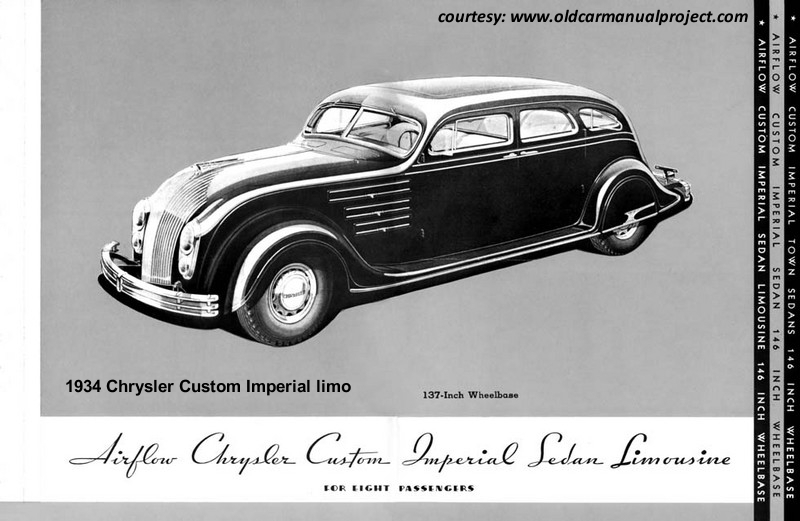
“streamlining” and appearance of speed (if not reality) pitched by all manufacturers as a desirable look of the future. As always, the future was more appealing to younger buyers. And, younger buyers were coming in greater numbers as we approached entry into World War II. The most extreme futuristic streamlining, like Chrysler’s “Airflow” design of 1934, seemed avant-garde by the standards of the time.
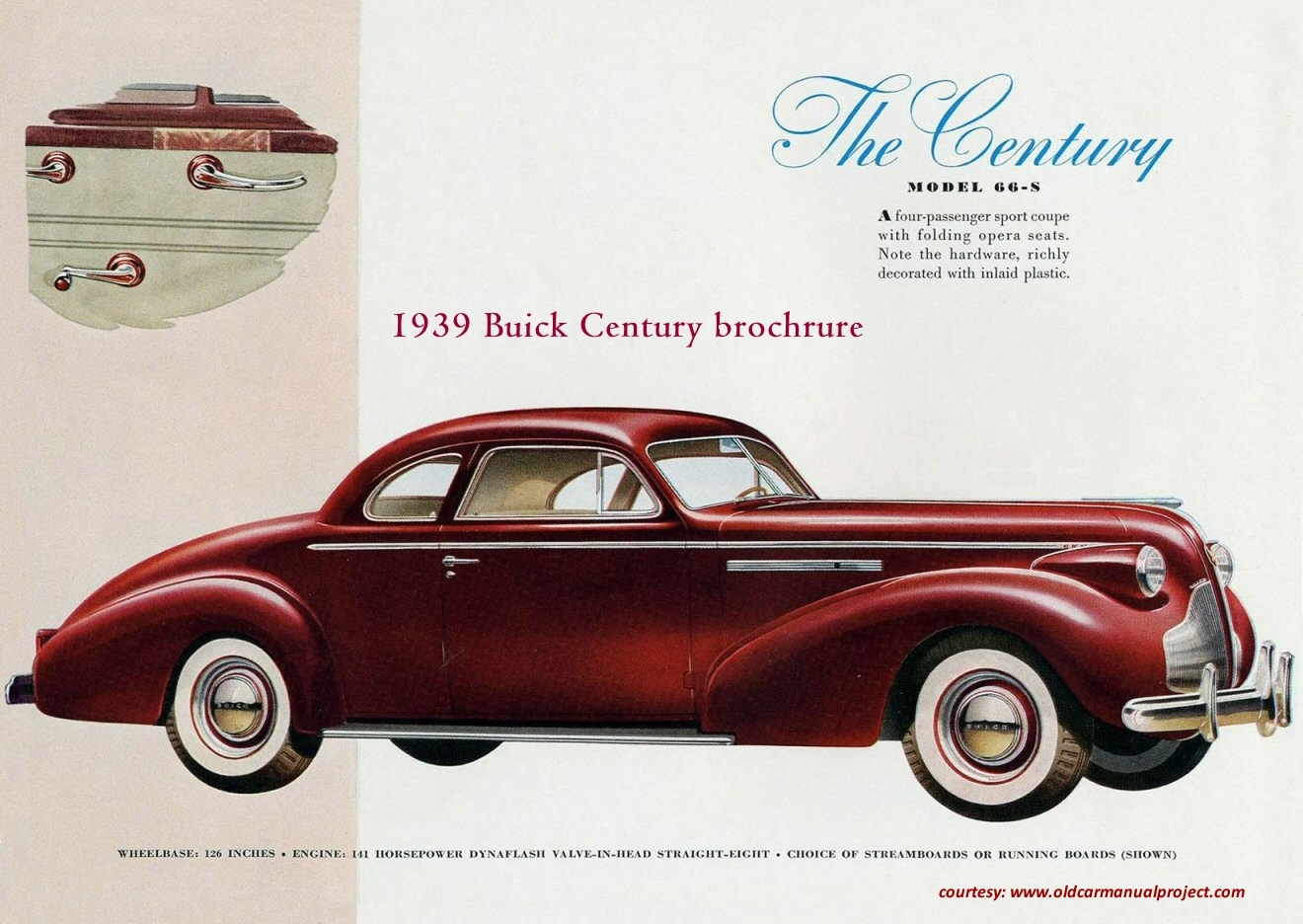

Raymond Loewy (Studebaker fame) took his place.
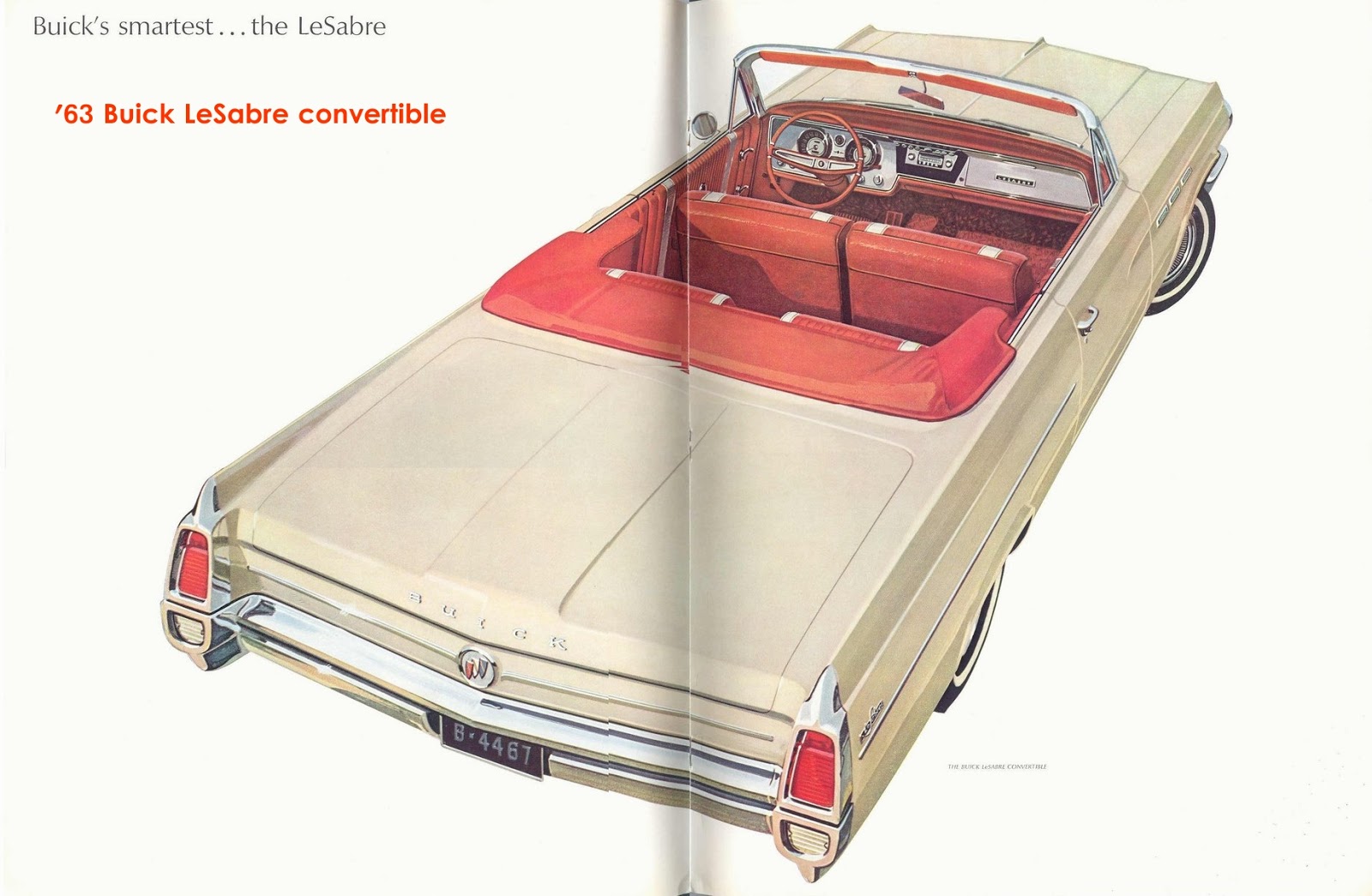
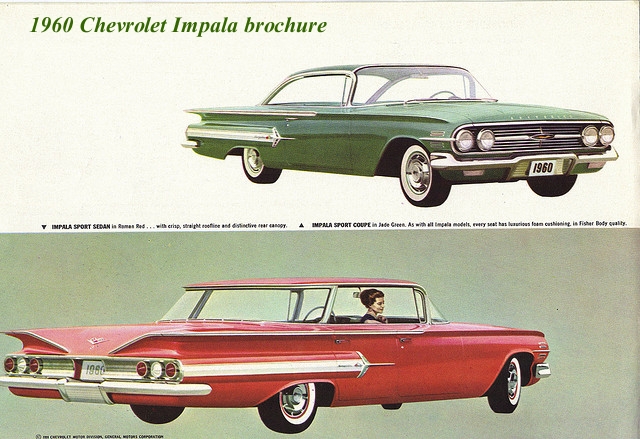 lowered) made the “hardtop” body style (two or four door) the most popular configuration in the ‘50s and ‘60s.
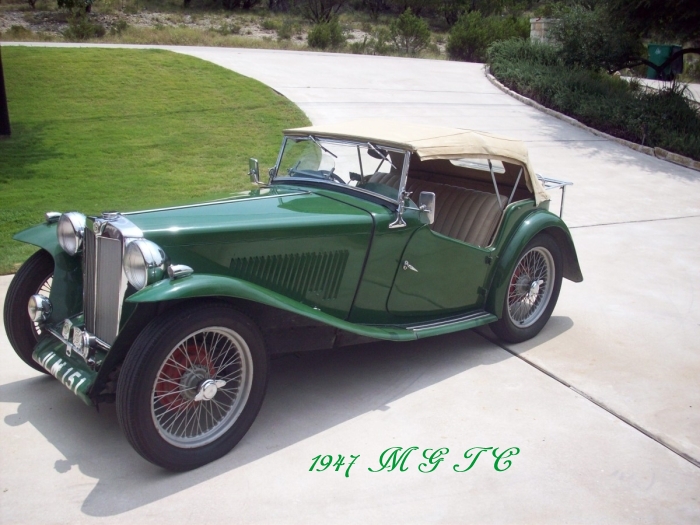
vehicles with left-hand drive, aimed specifically at the U.S. and Canadian markets.
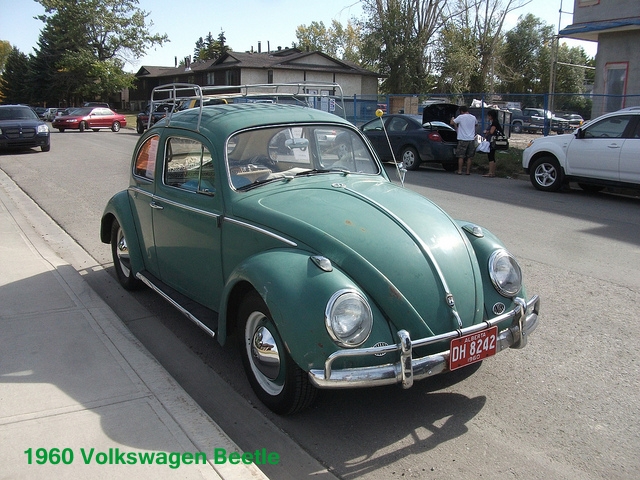 While the price of gasoline was never a constraint in the U.S., as it was for the native designers in Europe (not to mention their narrower urban streetscapes), the general cultural reaction against bigness and flashiness grew to such an extent that Detroit had to respond. But, since product development cycles in the auto industry are attenuated over several years, the new Detroit “compacts” didn’t arrive until 1960. By that time, Volkswagen Beetles had become a common sight in most of America. Rambler led the way somewhat earlier and could show a growing market share in the mid-to-late ‘50s as proof.
 and enough affluence to have one car (of two) dedicated more to fun than practicality. Wagons frequently had three rows of seating,
 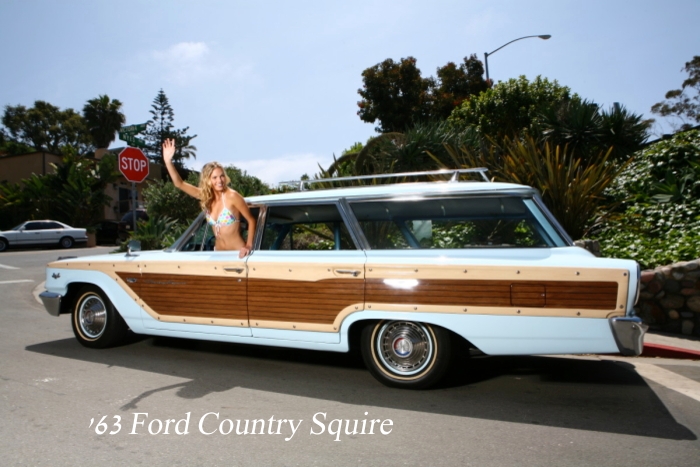 for growing numbers of kids, not necessarily your own, but the neighbors’! For a while, it was thought that kids enjoyed facing the rear window in that third-row seat, although some safety concerns were later raised about that configuration. Even without the third row, wagons were great cargo carriers — virtual car-truck hybrids! They were great for suburban shopping and family vacations, able to accommodate long things, like surfboards or plywood paneling for the basement.
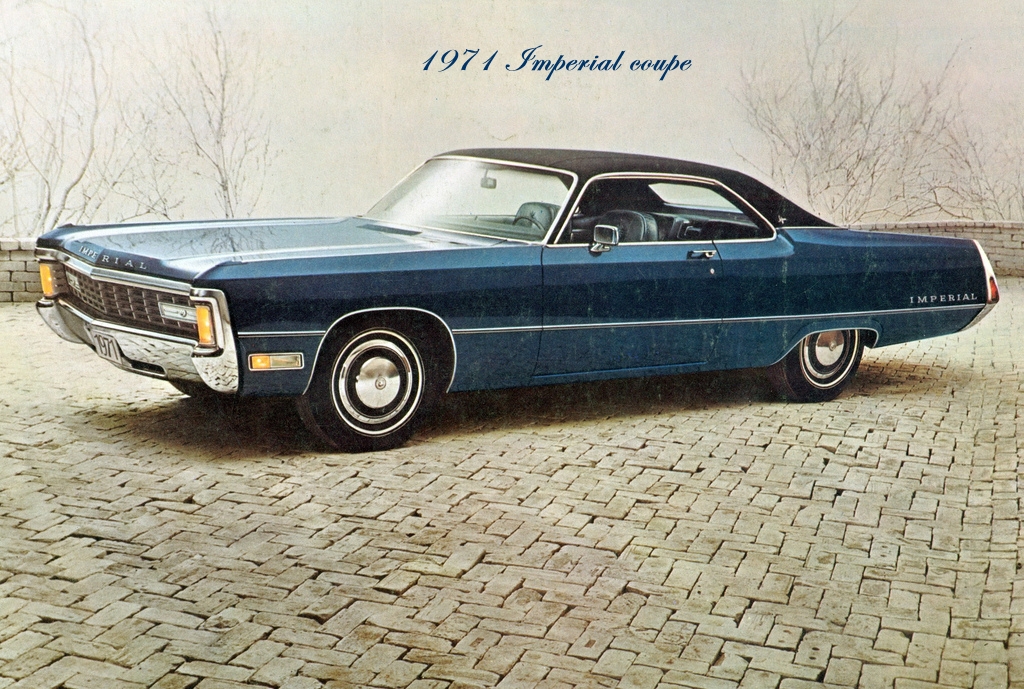
across all segments of the market, outsold four-door bodies. Why? What possible advantage would buyers of that era see in having only two doors? Ingress and egress to the rear seat was harder. But even large cars with much rear seat leg and hip room, seemed to have popular two-door variants. Many of the two-door cars had tiny rear quarter windows, giving rear seat passengers privacy, perhaps, but decreasing visibility for driver. It seemed a perverse design trend, and it continued into the 1980s.

between “sportiness” and having only two doors.
Of course, throughout the history of the automobile, there have been many smaller niche markets: electric cars in the teens, sports cars from the 1920s on, drag racing wannabes in the muscle car era of the ‘60s and early ‘70s, and early 4x4s (Jeeps and pickups). Trucks moved from a rural niche market for private transportation into the mainstream with the coming of the smaller Japanese pickups in the 1980s.
The original Jeep was the first SUV. But Toyota, Nissan, then GM, Ford, and Chrysler all discovered
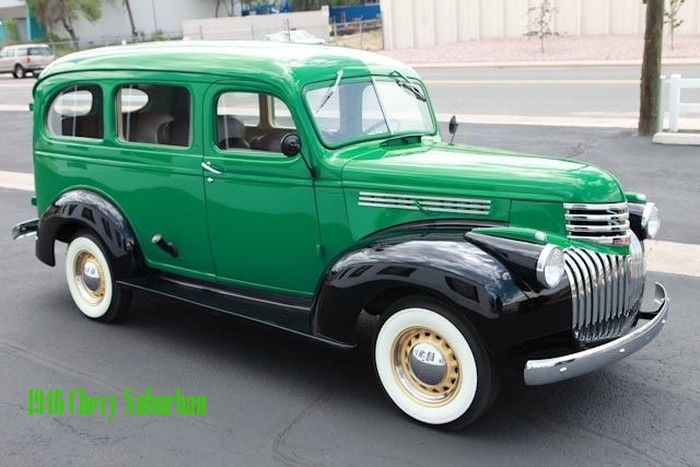
these truck-based wagons. The Chevy Suburban had been around since before the war but was relegated to one of those niche markets until suddenly, in the mid-70s, competition blossomed. Jeep Cherokees, Chevy Blazers, Ford Broncos, Toyota 4-Runners and Nissan Pathfinders all roared into the 1980s as the new best sellers.
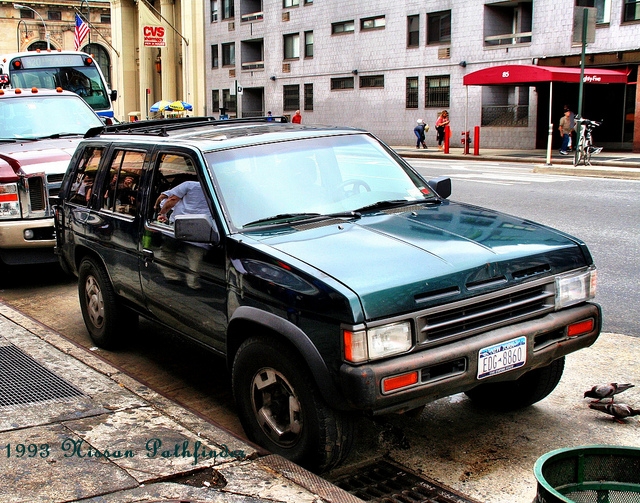 They were, indeed, trucks. They were all built on a pickup frame, with a body (two-door at first, later expanded to four doors) that
included a bouncy, but roomy, rear seat.
As trucks developed their own market segment, complete with luxo-cruisers, monster off-road vehicles, and compacts for urban living, it occurred to the intrepid auto designers that a true car-truck hybrid might fuse the enthusiasm of the SUV buyer with the family buyer who had previously settled for a matronly minivan. The “crossover” was thus born.
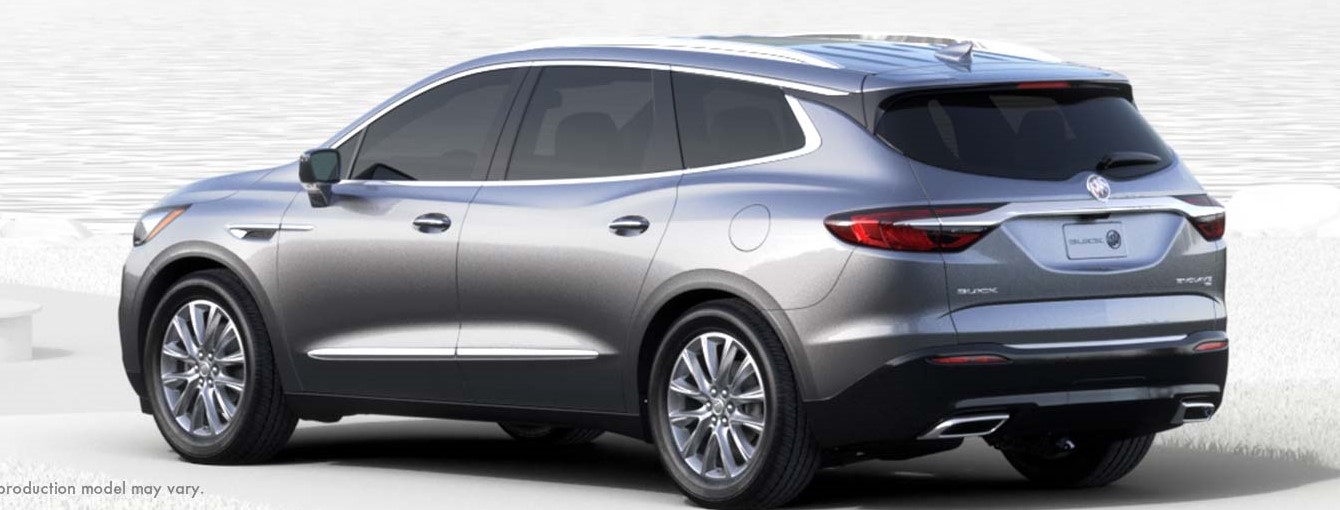 |
| 2018 Buick Enclave |
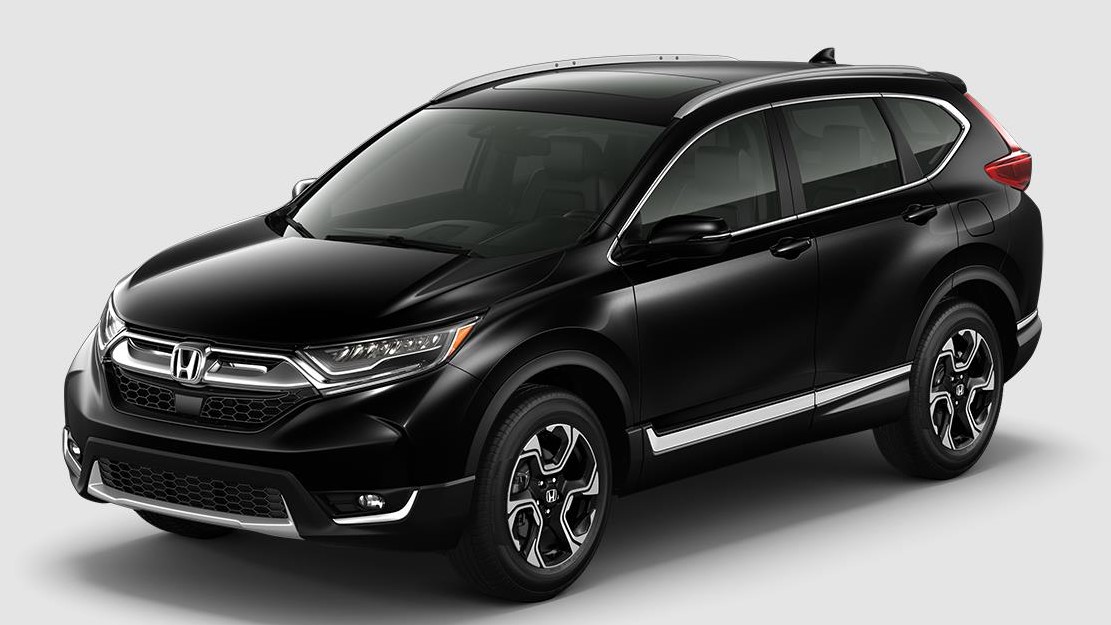 |
| 2018 Honda CR-V |
Crossovers emerged in a variety of form factors, from large three-row quasi-minivans (Buick Enclave, Toyota Highlander, Honda Pilot), to compact two-row versions (Toyota RAV-4, Honda CR-V, Subaru Forester), to sub-compact little cars (Fiat 500X, Honda HR-V, Ford EcoSport). Compact crossovers are now the hottest selling market segment of all, with larger and smaller versions close
behind.
 |
| 2019 Ford EcoSport |
It seems that a combination of a “high ride” (you look down on traffic) and the practicality of a large open cargo area (accommodates bulky items) are the main selling points. The main distinction between a crossover and an SUV is that the crossover always has a unitized body-frame, like other car bodies, but unlike the separate platform frame of truck-based SUVs. Hence, the ride is more car-like.
This is where we have come after more than 100 years of automotive market segmentation and design whims. Practicality combined with comfort and freedom have always ruled the marketplace. Of course, my unsupported impressions are subject to dispute. I’ve always been partial to the Harley Earl period at General Motors, myself!
 Warp and Woof